

Future of Offset Printing: A Comprehensive Insight
Get Latest Quote
overview
Future of Offset Printing: Industry Trends, Technology and Outlook for 2026 and Beyond
The future of offset printing is not about disappearing. It is about specialising. Offset will keep medium and long runs, books, catalogues, packaging and premium colour work, while automation, hybrid workflows and cleaner inks make it faster and more sustainable. Very short runs will continue to move to digital, and the best printers will offer both.
This guide looks at the future of offset printing industry from a practical angle. It covers where the market stands, the offset printing industry trends 2026 buyers should know, how print technology is changing, the real challenges ahead and what all of it means for businesses that buy print in India. If you plan catalogues, books or packaging for the next few years, these shifts will affect your cost, quality and timelines.
In-House Shree Vishnu Press Printing Facility
Our Printing Process
A simple 4-step process from your first enquiry to final delivery.
-
1Step 1
Share Requirement
Tell us your product, size, quantity and paper. We send a clear quote and delivery time.
-
2Step 2
Design & Proof
We check your design and share a proof. Printing starts only after your approval.
-
3Step 3
Printing & Finishing
Your job is printed with colour checks, then cut, laminated, folded or bound as needed.
-
4Step 4
Quality Check & Delivery
Final inspection, safe packing and on-time delivery to your doorstep.
Where Offset Printing Stands Today
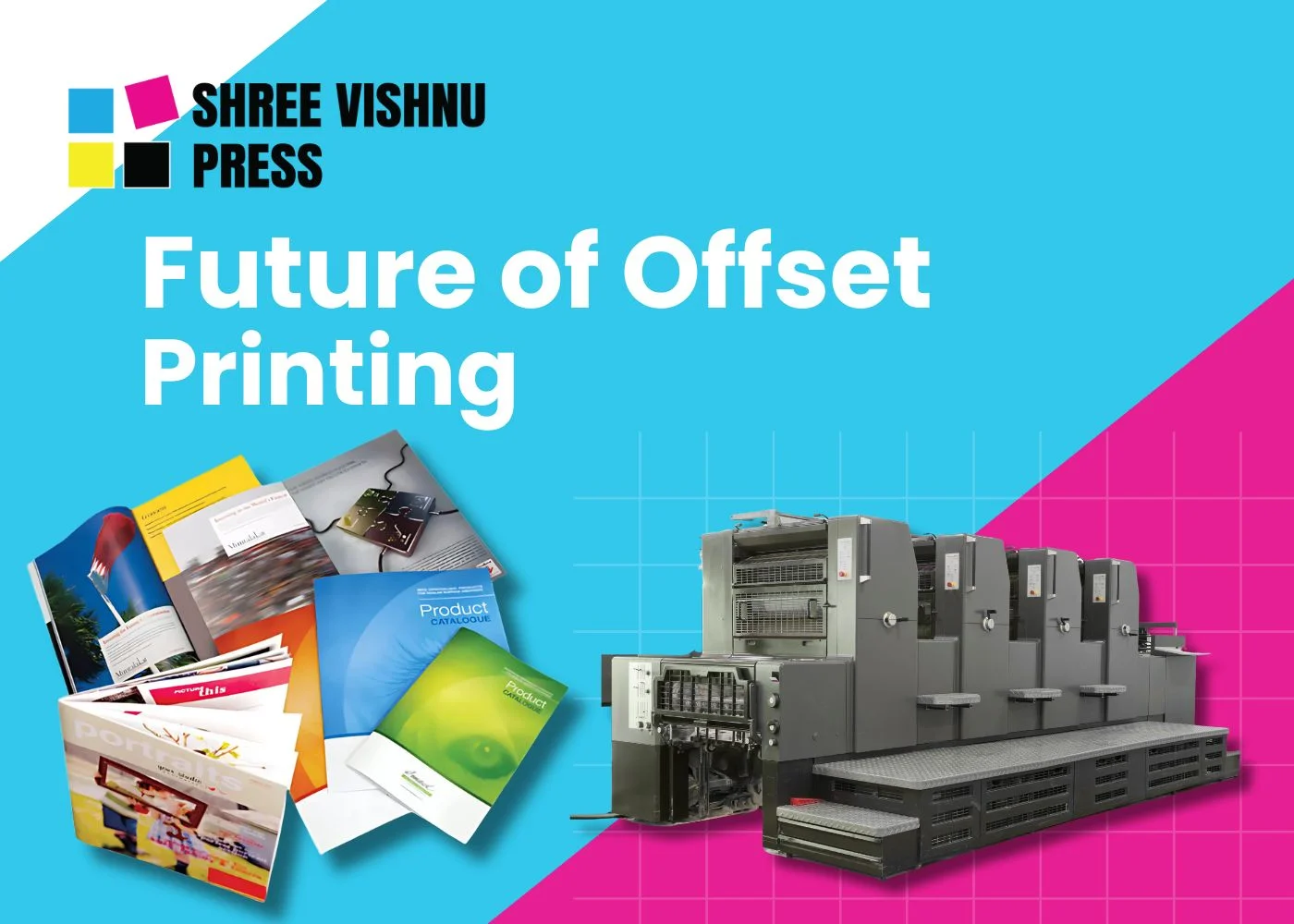
Offset printing transfers ink from a plate to a rubber blanket and then onto paper. That simple method has stayed at the centre of commercial printing for more than a century because it delivers accurate colour, sharp detail and a falling cost per copy as quantities rise. Digital printing has taken many small jobs, but offset still produces the bulk of books, magazines, catalogues, brochures and folding cartons.
The more useful question is not whether offset survives, but which jobs it will win. Offset is strongest where quantity, colour consistency and material choice matter. Digital is strongest where speed, personalisation and very small quantities matter. Understanding that split is the key to understanding where the industry is heading.
Why Offset Printing Still Matters
Offset keeps its place because several strengths are hard to copy. It reproduces brand colours accurately and can use spot colours for shades that standard inks cannot match. It prints on a very wide range of papers and boards, from thin book paper to thick carton board. And it combines easily with finishing such as lamination, coating, embossing and metallic effects that make printed material feel premium.
Cost is the other reason. Once plates are made and the press is set, each additional copy is cheap, so the cost per copy keeps falling as quantity grows. For catalogues, textbooks, annual reports and packaging, no other method currently matches that mix of quality and economy.
The Future of the Commercial Printing Industry
The future of the commercial printing industry is being shaped by customer behaviour as much as by machines. Buyers now order more often, in smaller batches, and expect faster delivery. Marketing teams update brochures and price lists frequently, so a single huge run is often replaced by several smaller ones. Online ordering and digital proofing have made it easy to compare printers, which puts pressure on both price and service.
At the same time, print has found stronger roles. Packaging, labels and premium brand material rely on physical quality that screens cannot match. Books remain a stable category, and trade reports from Okhla printers describe book printing as a steady business even as simple commercial work has contracted. The commercial printers that grow are those that widen their services instead of relying on one machine or one product.
Future of Offset Printing Industry: What the Market Data Says
Market forecasts point to slow, steady growth rather than collapse. Persistence Market Research estimates the global offset printing press market at about US$8.8 billion in 2025 and expects it to reach about US$11.4 billion by 2032, a compound annual growth rate of roughly 3.8 percent. The same analysis notes that demand is driven by packaging and premium commercial work, while traditional publication printing is declining.
Figures differ between research firms because each defines the market differently. Some count only press equipment, others count printing services, and others measure printed output. For that reason, treat any single number as a direction rather than a promise. The shared message across sources is consistent: packaging and specialty work grow, publications shrink, and printers that combine offset with digital capabilities are best placed.
The same research suggests that demand for advanced presses keeps growing as printers expand into premium packaging, hybrid printing and value-added finishing. In other words, investment follows the work that still pays, and that work rewards quality.
Offset Printing Industry Trends 2026
Six clear shifts stand out among the offset printing industry trends 2026 buyers will notice. Each one changes how presses are run and what customers can expect.
Automation and Smarter Presses
Modern presses increasingly automate plate loading, ink settings, washing and colour control. Closed-loop systems measure printed colour and correct the press while it runs. The result is shorter make-ready, less wasted paper and more consistent output, which also makes shorter offset runs more economical than before.
Hybrid Offset and Digital Workflows
Printers are no longer choosing between offset and digital. They are combining them. A book cover may be printed offset for rich colour while a short digital run handles personalised inserts or a reprint of a few copies. Printers who offer both can recommend the cheaper route for each job.
Sustainable Inks, Paper and Processes
Environmental expectations are rising. Offset printers are moving to vegetable-oil-based inks, certified and recycled papers, lower-waste workflows and, in some plants, waterless offset, which reduces dampening water use. LED-UV curing also uses less energy than older dryers. Sustainability is becoming a buying criterion, not a bonus.
Packaging as the Growth Engine
E-commerce and retail competition keep driving demand for printed cartons, boxes and labels. Offset handles fine detail, accurate brand colours and special finishes such as metallic effects, coatings and embossing, which makes it a natural fit for premium packaging.
Better Colour Control and Quality Assurance
Customers increasingly expect the same colour across print, packaging and screens. Printers respond with calibrated workflows, standard colour targets and measured proofs. This reduces disputes, shortens approvals and makes repeat orders match earlier ones.
Shorter Runs and Faster Ordering
Trade press from Okhla reports that offset is now viable for runs of a few hundred copies when the setup is right. Combined with online file submission and digital proofs, this lets smaller businesses use offset quality without huge quantities.
| Trend | What is changing | Trend What is changing What it means for print buyers |
|---|---|---|
|
Automation |
Faster setup and automatic colour control |
Lower waste and steadier quality |
|
Hybrid workflows |
Offset and digital used together |
The right method for each job |
|
Sustainability |
Vegetable-oil inks, recycled paper, waterless options |
Sustainability Vegetable-oil inks, recycled paper, waterless options Greener choices without losing quality |
|
Packaging growth |
More printed cartons, labels and boxes |
Premium finishes and strong brand colour |
|
Shorter runs |
Offset viable at smaller quantities |
Offset quality for modest orders |
|
Digital ordering |
Online files and digital proofs |
Quicker approvals and tracking |
The Future of Print Technology
The future of print technology is a story of connection. Computer-to-plate systems have removed film and speeded up prepress. Colour management software keeps screens, proofs and presses in agreement. Inline cameras inspect sheets during printing and flag defects before a whole run is affected.
Print is also linking to digital media. QR codes, augmented reality and personalised web pages turn a printed brochure or package into an entry point to video, product details or ordering. Smart packaging and variable data, mostly produced digitally, add personalisation to printed campaigns. Offset provides the strong, consistent base, and digital layers add interactivity.
Digital workflows are also changing prepress. Web-to-print portals let customers upload files, run automatic checks and approve proofs online. Automated preflight catches common errors such as missing bleed or low-resolution images before they reach the press, which saves time and reduces cost.
Challenges Offset Printing Must Overcome
An honest outlook has to include the difficulties. Digital printing continues to win fast, low-volume jobs that once went to offset. Traditional publication printing, including some magazines and newspapers, is shrinking as readers move online. Paper and ink prices have been unstable, which squeezes margins on every job.
Skills are another concern. Running a modern press needs people who understand colour, workflow software and mechanics, and good operators are hard to find. Printers also face higher energy costs and growing expectations on environmental performance. Those who invest in automation, training and sustainable materials will cope best, while those that do not may struggle.
These pressures also create openings. Printers that diversify into packaging, finishing and design, that explain choices clearly and that deliver on time can win customers who have been disappointed elsewhere. Quality and reliability still matter more than the cheapest quote.
The Future of Offset Printing in India and Okhla
India has a large and growing base of publishers, packaging manufacturers, exporters and marketers, which keeps demand for offset strong. Delhi’s Okhla Industrial Area has been a printing hub since the 1970s, and trade press has described more than two hundred offset printers working there, from single-colour units to multicolour presses.
Okhla’s advantage is its ecosystem. Paper dealers, plate makers, binders and finishers sit close together, which shortens lead times. Trade reports from the area describe book printing as stable, commercial printing as under pressure and digital as complementary rather than a threat. Local printers who add packaging, finishing and digital services are the ones adapting well, and that pattern is likely to continue.
Export-oriented manufacturers, education publishers and consumer brands also need dependable colour and consistent quality, which favours presses with proper workflows. As more Indian businesses compete on presentation, demand for professional packaging and marketing print is likely to remain healthy.
What the Future Means for Your Print Orders
For buyers, these changes bring practical benefits and a few new habits. Use the points below when planning print over the next few years.
- Choose offset for larger quantities, exact brand colours and special papers, and digital for urgent, small or personalised work.
- Ask your printer whether a hybrid approach could cut cost, for example offset covers with digital inside pages.
- Plan sustainable choices early, such as recycled or certified paper and low-impact inks, because they affect stock and lead time.
- Approve proofs carefully, since changes after plate making add cost.
- Work with a printer that can handle finishing and packaging in one place to reduce delays.
Shree Vishnu Press and the Future of Offset Printing
Shree Vishnu Press offers offset printing alongside digital printing, large format printing, custom packaging, metalized printing, finishing and design services. That combination matches where the industry is heading: one team that can advise on the best method for each job rather than pushing a single process. We believe an informed customer gets the best result, so we explain paper, finish and quantity choices clearly and share proofs for approval before plates are made, keeping the process transparent from start to finish.
If you want to understand local capabilities in more detail, read our guide to offset printing in Okhla, or learn the basics in our explanation of offset printing working.
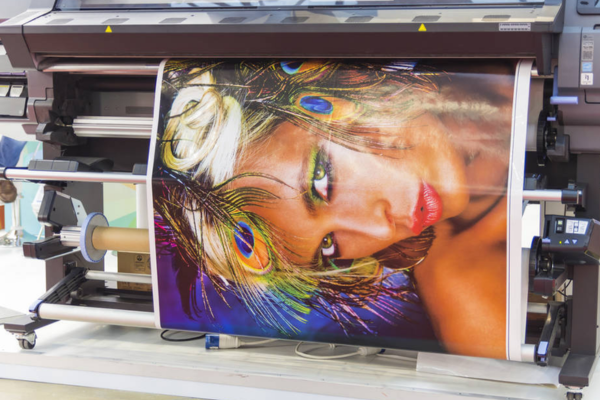
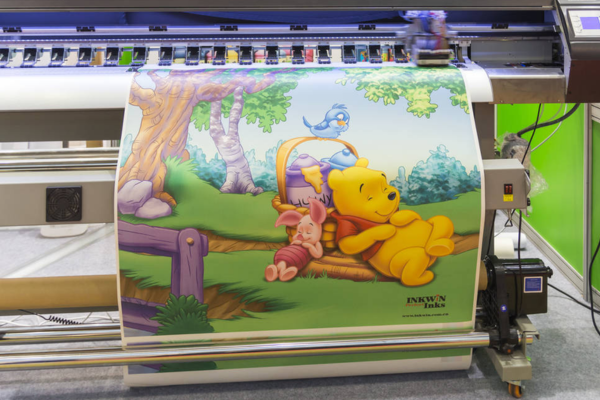
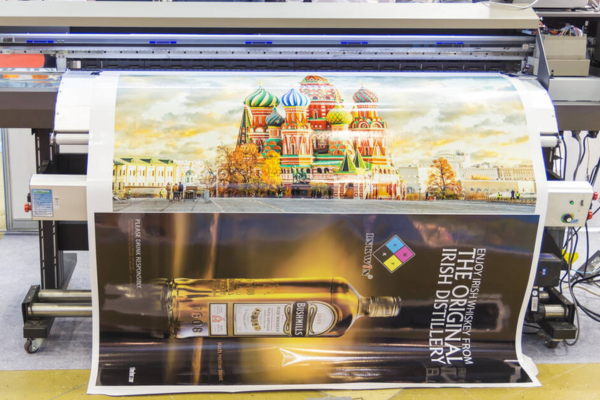
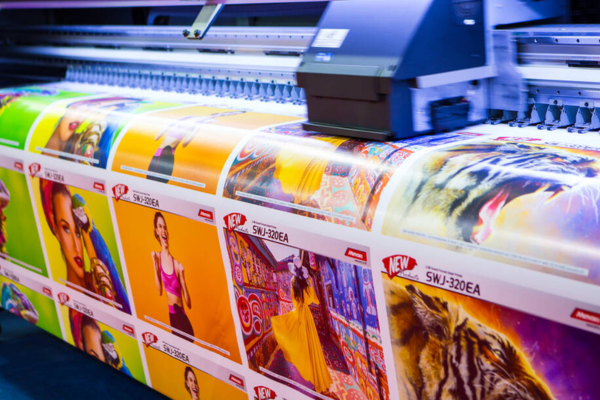
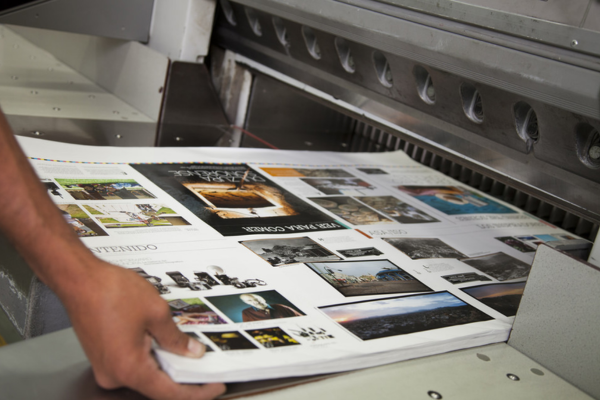
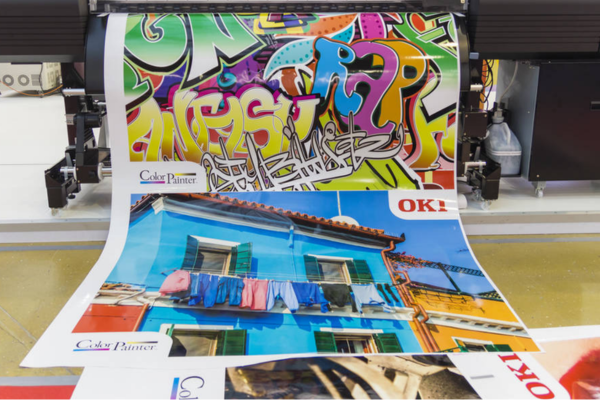
In-House Printing Facility

About the Author
Shree Vishnu Press is a trusted printing company in Delhi, known for quality work, honest pricing and on-time delivery. Our team handles everything from stationery to books, catalogues and packaging, and shares practical printing advice based on real, hands-on experience with publishers, schools and businesses.
Conclusion
The future of offset printing is secure but different. Offset will keep its place in books, catalogues, packaging and premium colour work, while automation, hybrid workflows and sustainable materials improve speed and environmental performance. Digital will take very short and personalised jobs, and the strongest printers will use both.
Anyone following the future of print technology and the offset printing industry trends 2026 should expect evolution, not extinction. Businesses that choose partners who invest in modern workflows, honest advice and quality will benefit most from the years ahead.

FAQs
The future of offset printing is one of specialisation. Offset will remain the preferred method for medium and long runs, books, catalogues and packaging, while automation, hybrid workflows with digital printing and sustainable inks make it faster and cleaner. Very short and personalised jobs will continue to move to digital.
No. Digital printing has taken many small jobs, but offset still offers lower cost per copy on larger runs, accurate colour and a wide choice of papers. Forecasts for the future of offset printing industry show slow growth, mainly driven by packaging and premium commercial work.
The main offset printing industry trends 2026 buyers will notice are press automation, hybrid offset and digital workflows, sustainable inks and papers, growth in packaging printing, shorter economical runs and faster digital ordering and proofing.
Digital printing takes fast, small and personalised jobs, which reduces some traditional offset work. However, it also complements offset. Many printers now combine both so each job uses the more economical method, which is a key part of the future of the commercial printing industry.
The future of the commercial printing industry lies in wider services, shorter runs, faster turnaround and stronger packaging and specialty work. Printers that combine offset, digital, finishing and design under one roof are best placed to meet changing customer needs.
The future of print technology includes computer-to-plate systems, automated colour control, inline inspection, LED-UV curing and links between print and digital media through QR codes and augmented reality. These improve quality, reduce waste and make print more interactive.
Offset printing is becoming more sustainable. Printers use vegetable-oil-based inks, recycled and certified papers, lower-waste workflows and, in some cases, waterless offset and energy-efficient curing. The actual impact depends on the materials and processes each press chooses.
Packaging, publishing, education, retail, pharmaceuticals and marketing will continue to use offset printing for cartons, books, catalogues, labels and brochures, because it offers consistent colour, fine detail and economy on larger quantities.
Demand in India is supported by publishers, packaging manufacturers, exporters and marketers. Hubs such as Okhla in Delhi have a strong ecosystem of presses, paper suppliers and finishers. Local printers that add packaging, finishing and digital services are adapting well.
Choose offset for larger and colour-critical jobs, use digital for small or urgent work and ask printers about hybrid options. Plan sustainable materials early, approve proofs carefully and work with a printer that offers printing, finishing and packaging together.
Future of Offset Printing, Future Of Offset Printing Industry, Future Of Offset Printing Industry In India, Future Scope Of Offset Printing, Offset Printing Industry Future
Future of Offset Printing, Future Of Offset Printing Industry, Future Of Offset Printing Industry In India, Future Scope Of Offset Printing, Offset Printing Industry Future
What Our Customers Say
Discover how Shree Vishnu Press supports businesses, schools and publishers with professional printing, packaging and publishing solutions.
Write a Google ReviewFuture of Offset Printing, Future of Offset Printing Industry, Offset Printing Industry Trends 2026, The Future of the Commercial Printing Industry, The Future of Print Technology
Future of Offset Printing, Future of Offset Printing Industry, Offset Printing Industry Trends 2026, The Future of the Commercial Printing Industry, The Future of Print Technology
Future of Offset Printing, Future of Offset Printing Industry, Offset Printing Industry Trends 2026, The Future of the Commercial Printing Industry, The Future of Print Technology